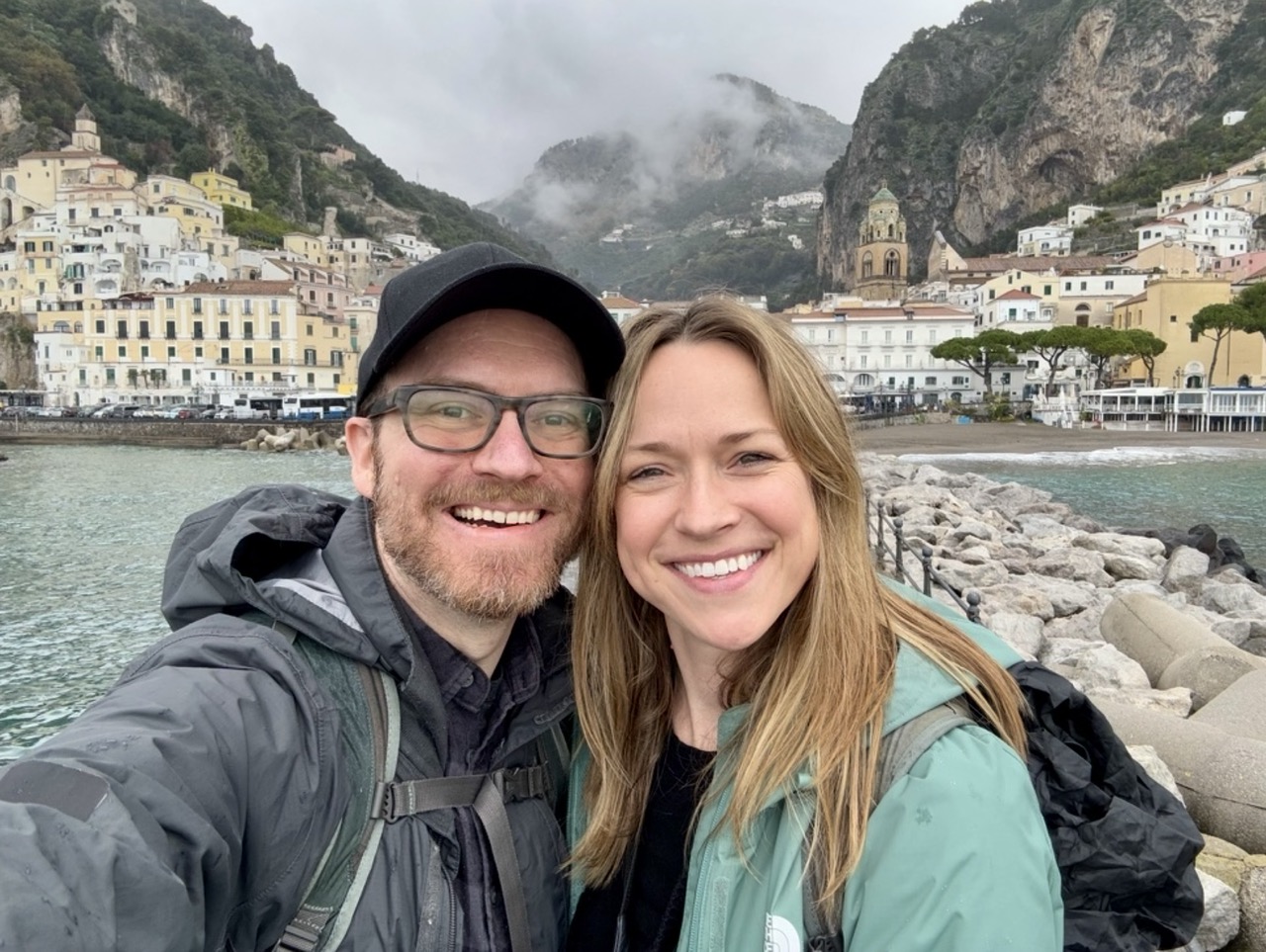
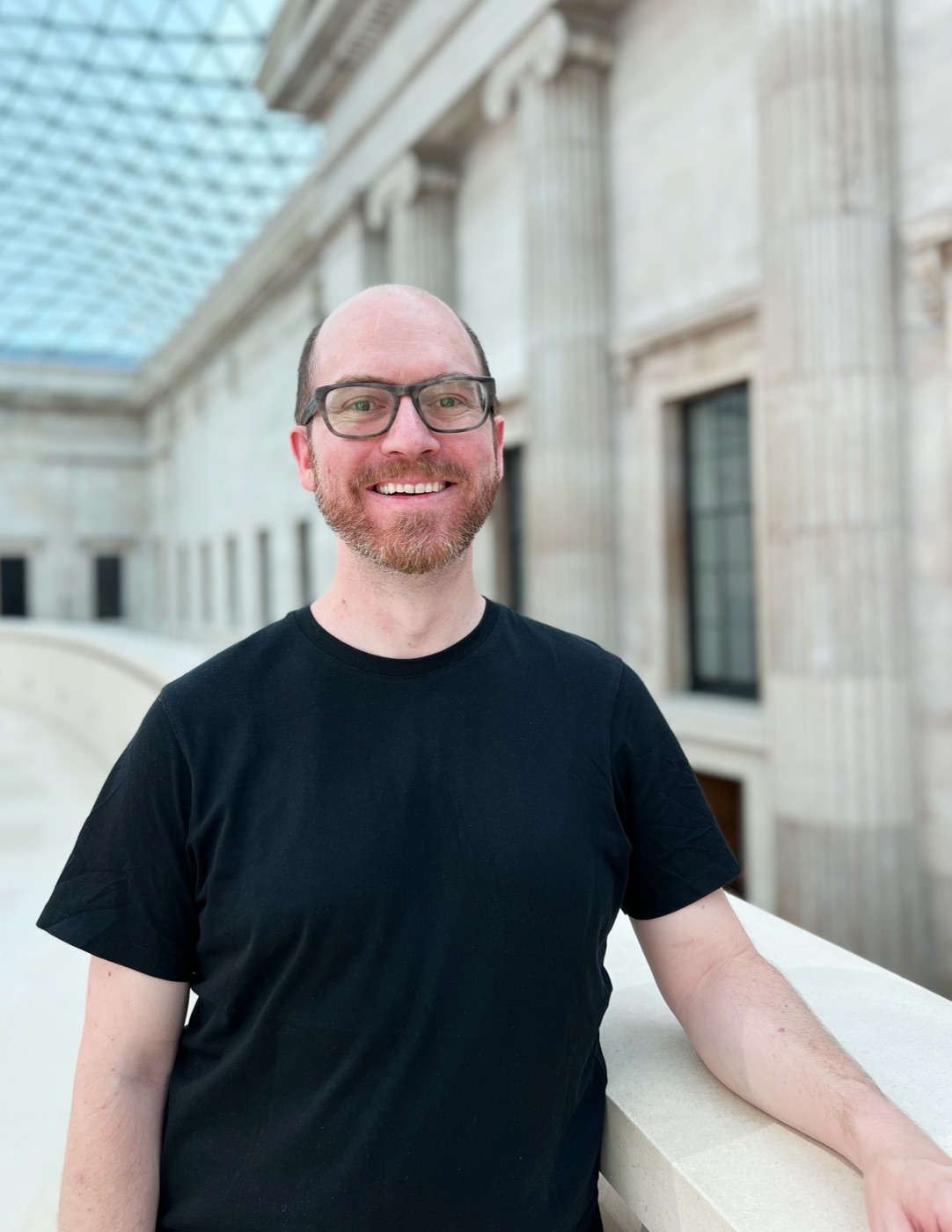
Ryan NeeProduct design leader
For more than twenty years, I have helped teams design human-centered digital experiences.
I am looking to join a talented product team creating software that people find useful, usable, and desirable.
Selected work
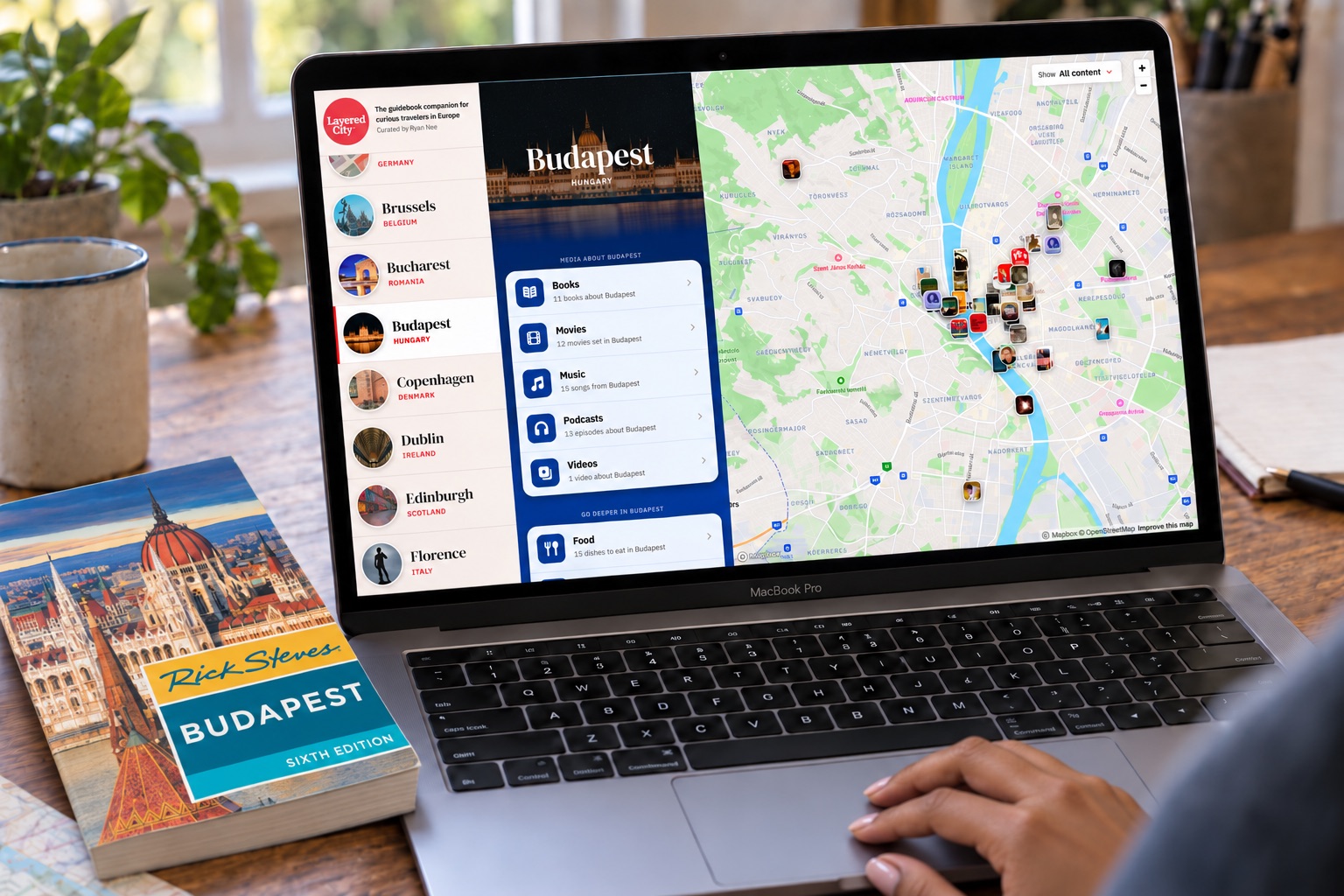
Layered City
A curated guide to Europe’s cities — a self-taught iOS app in 2020, rebuilt as an AI-assisted web app in 2026.
View project →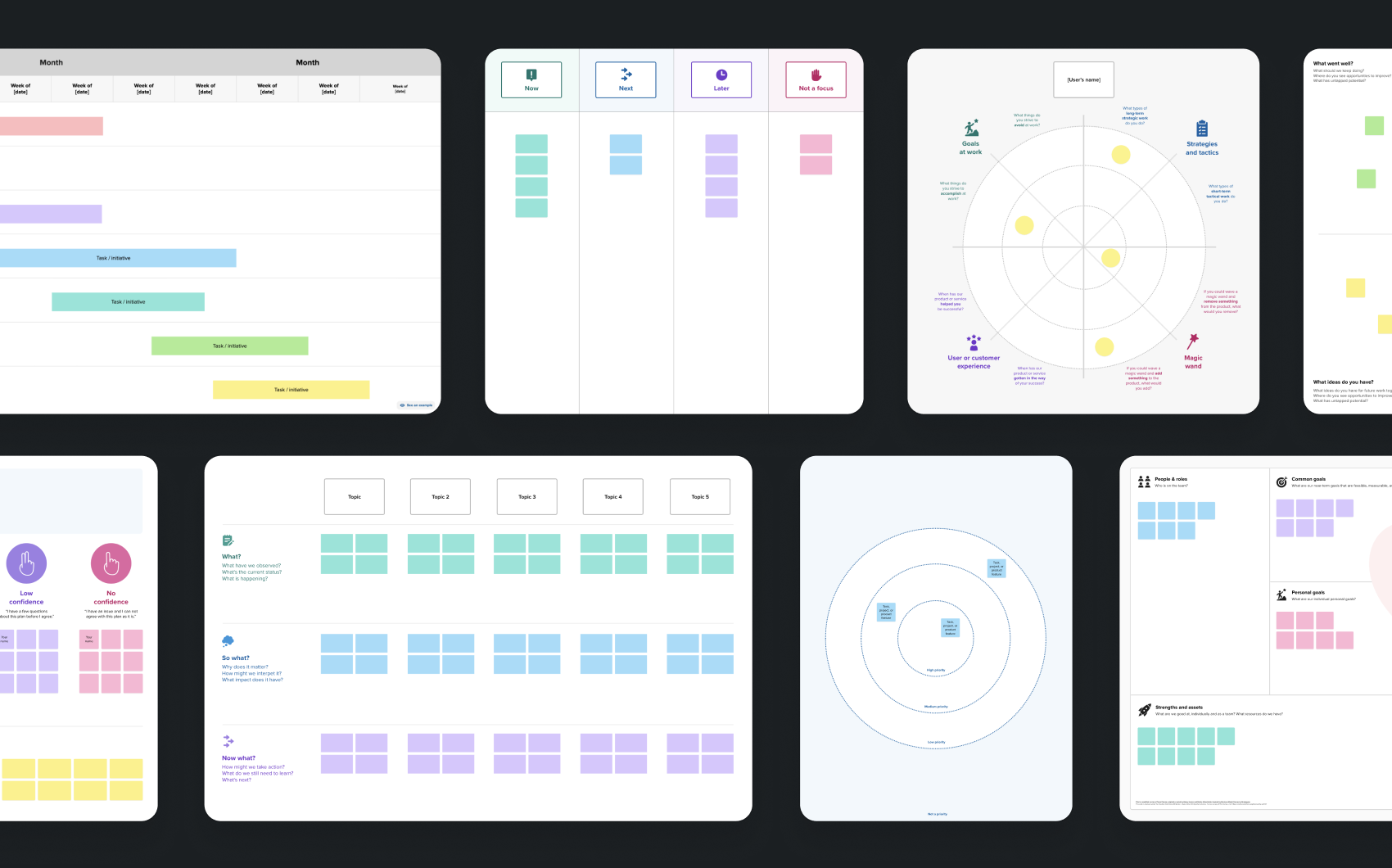
Template library in Mural
Redesigned 250+ templates and launched a new in-canvas template tool used by more than 1.5 million people in its first year.
View project →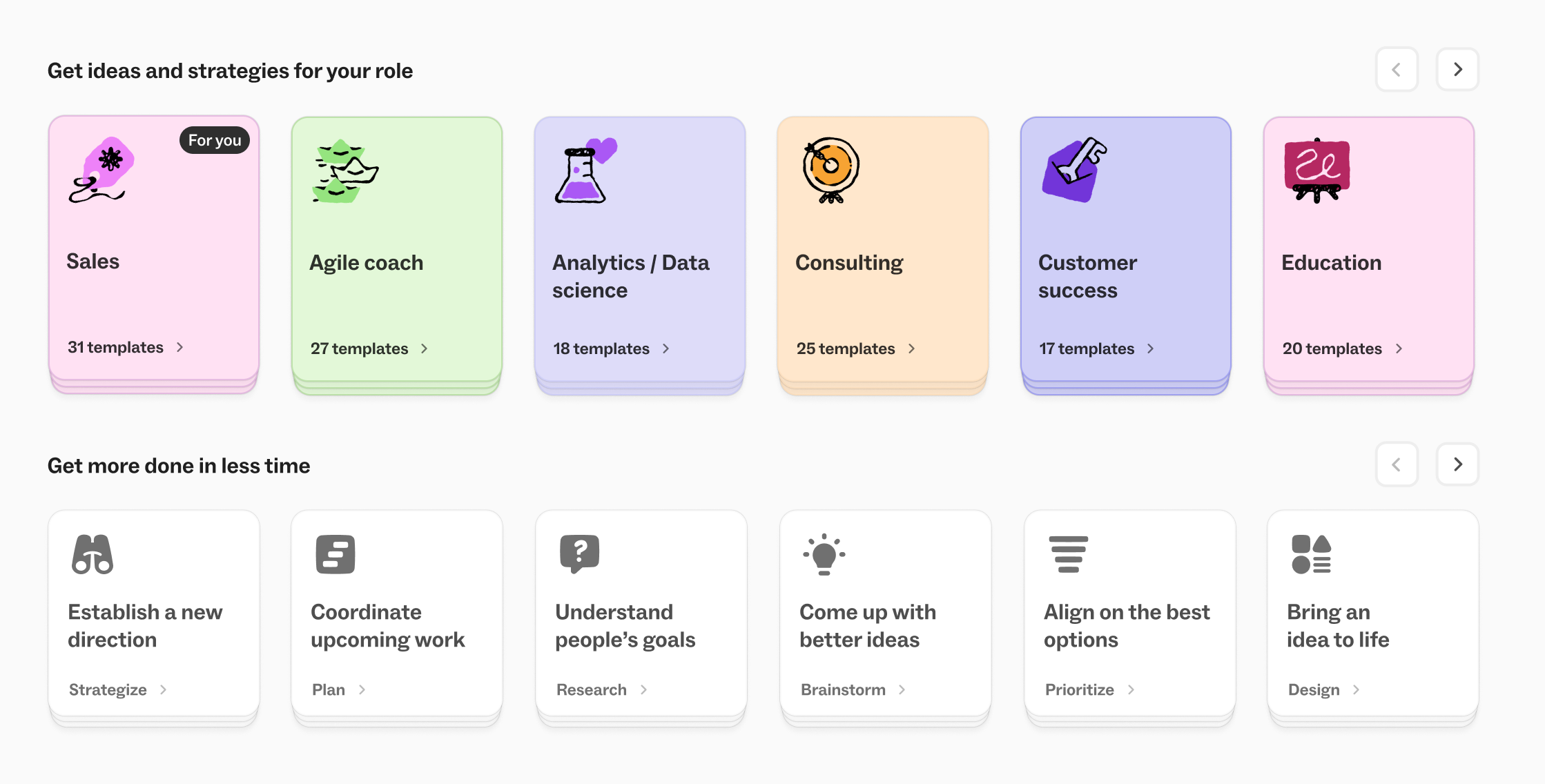
Content discovery in Mural
Helping people find the right template based on what they’re trying to accomplish, not what they already know to search for.
View project →More work
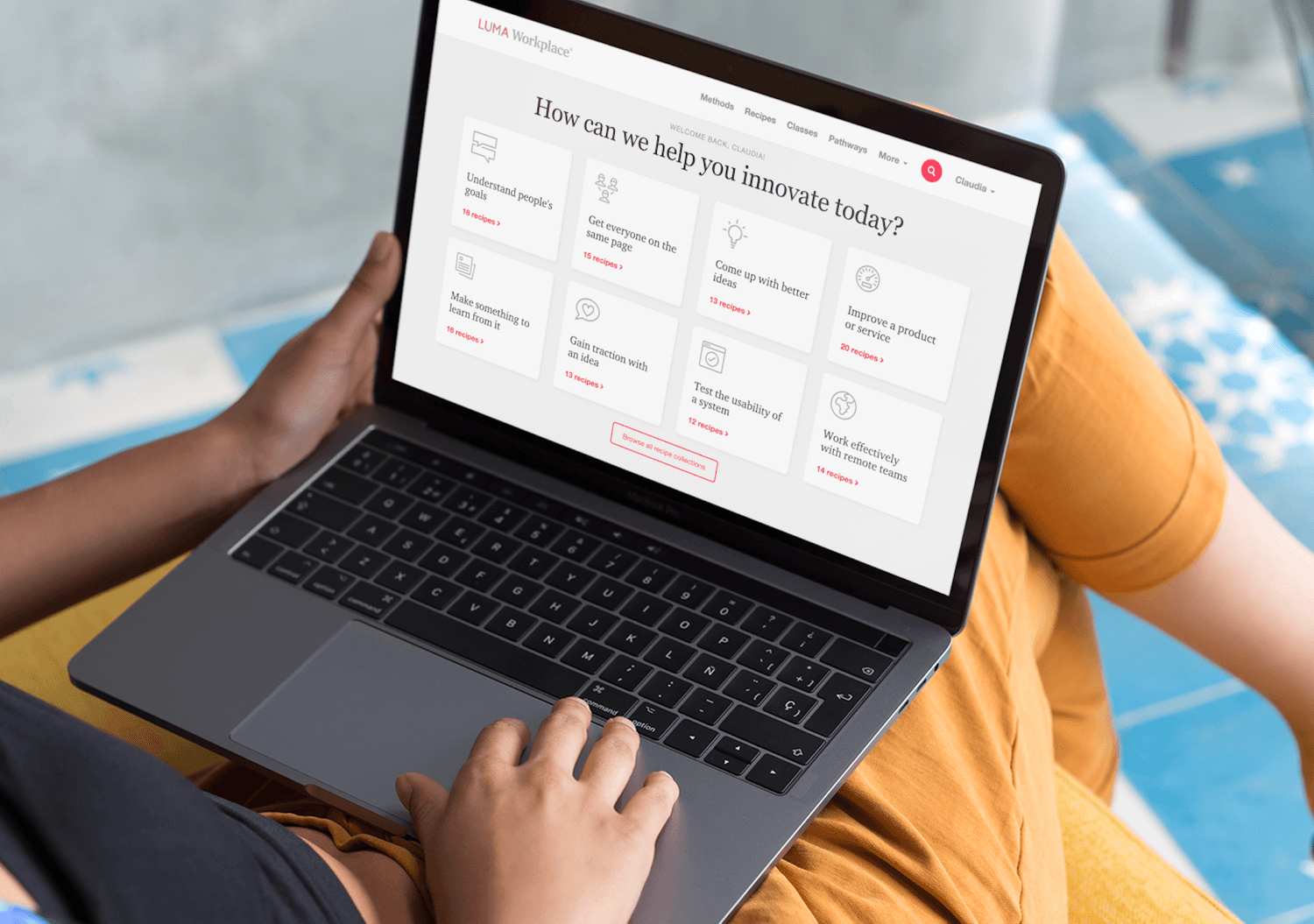
LUMA Workplace
An acclaimed online platform helping people in any role use Human-Centered Design methods every day.
View project →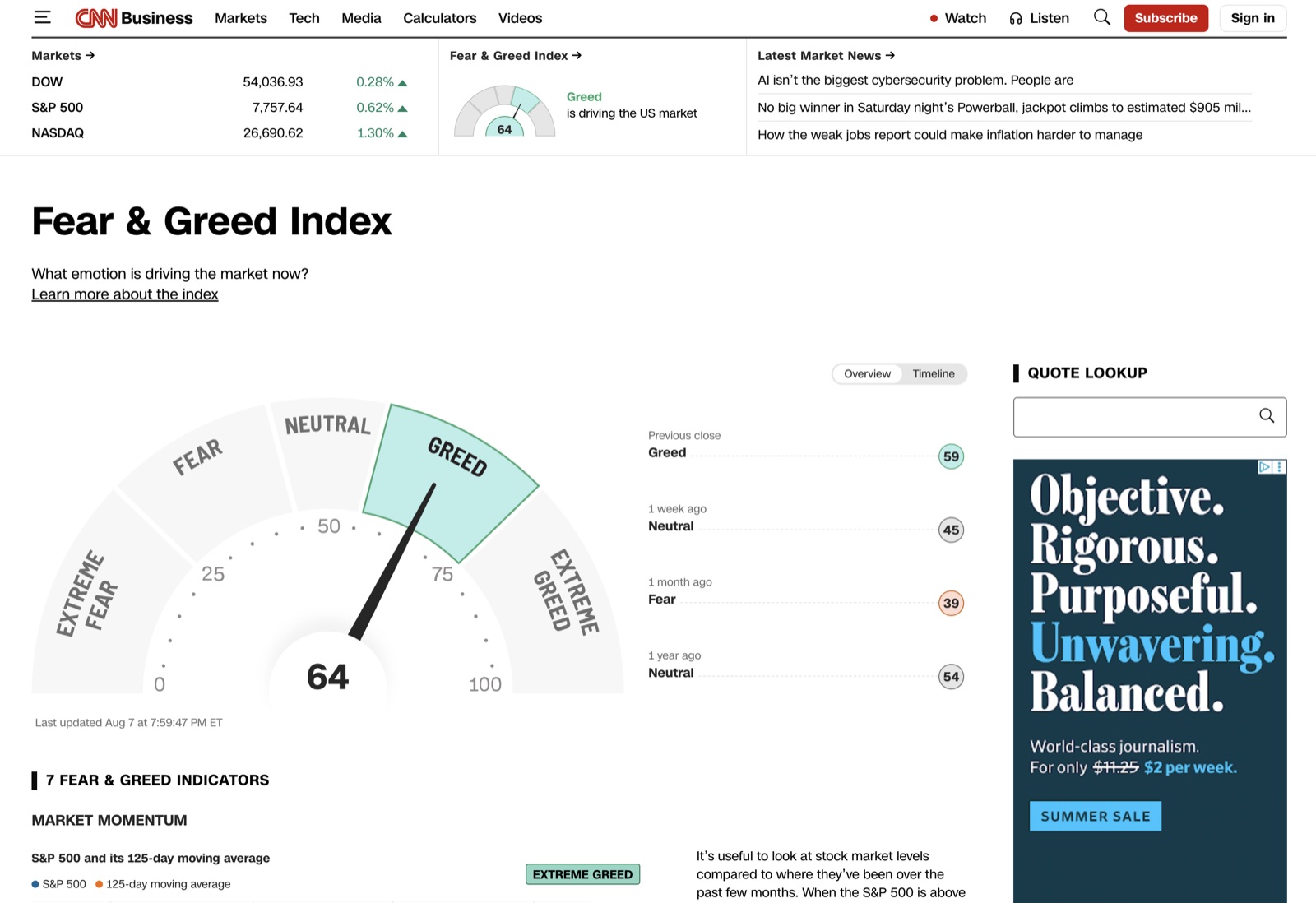

CNN Fear & Greed Index
A tool that reads market sentiment from seven signals — live on CNN for nearly a decade.
View project →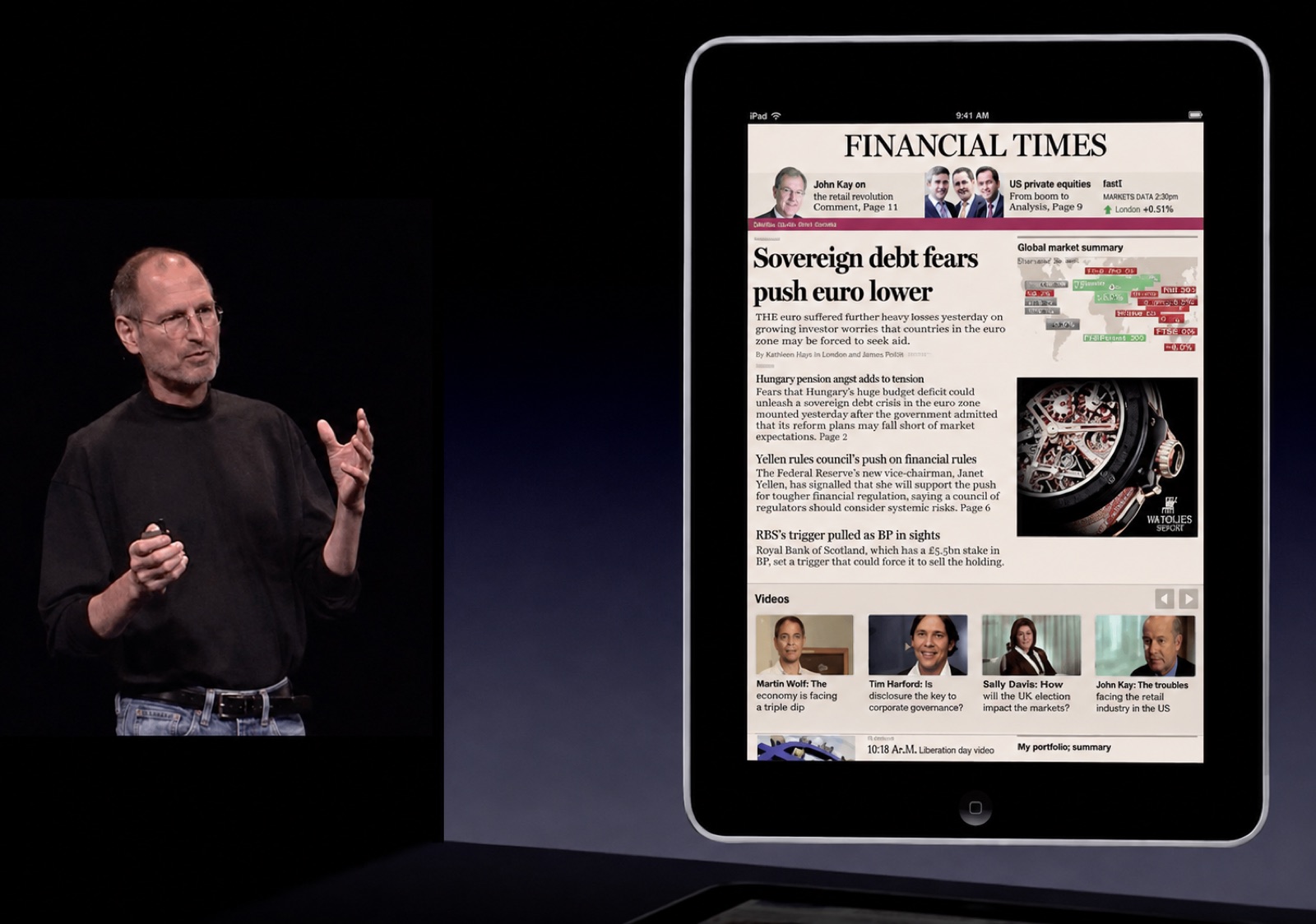
Financial Times for iPad
The launch edition of the Financial Times iPad app — built in three weeks, winner of a 2010 Apple Design Award.
View project →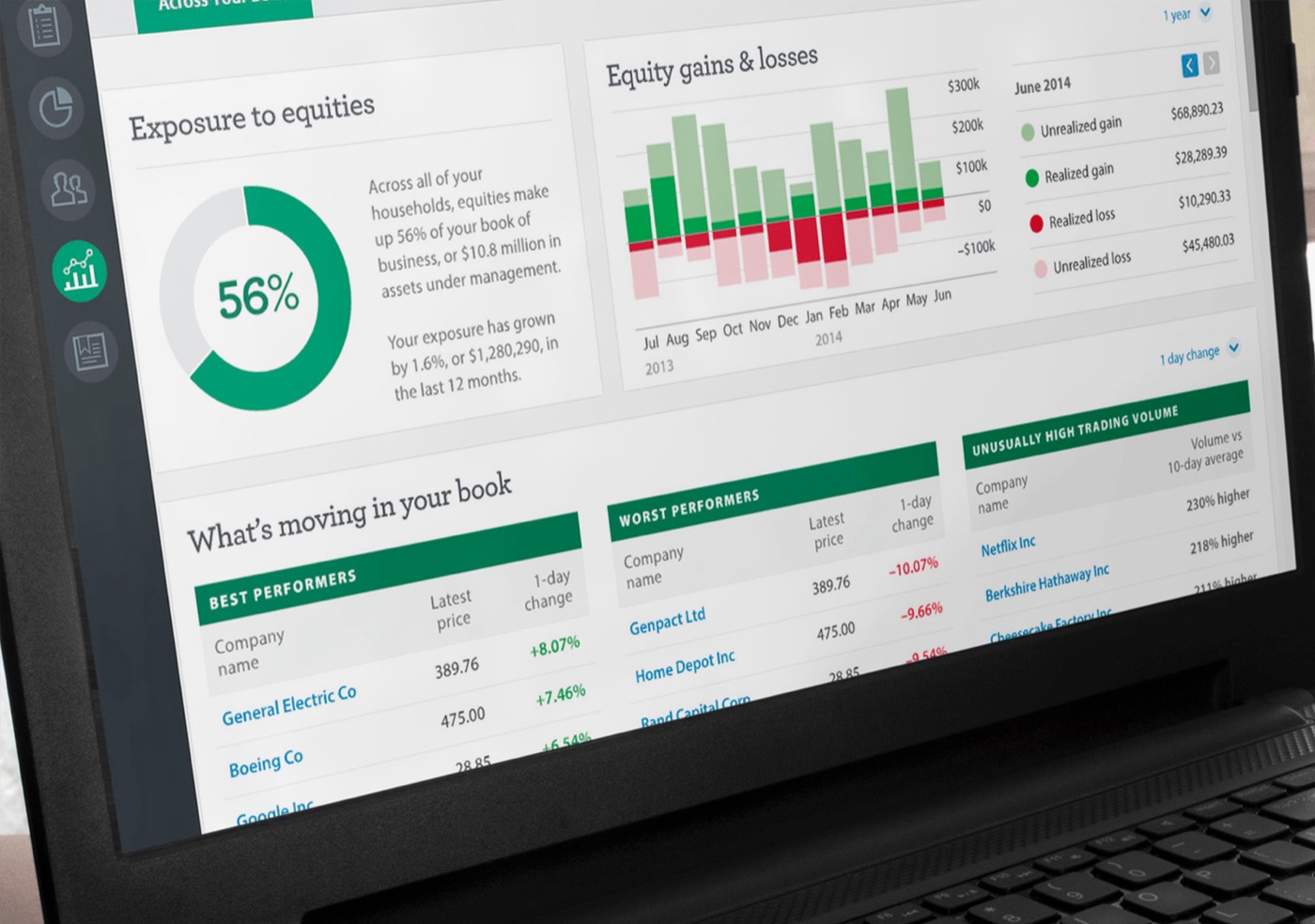
Merrill Lynch Advisor Workstation
A forward-looking vision for the tools financial advisors use at one of the largest banks in the United States.
View project →Past clients

Things I believe
People should be at the center of the work
Great product teams have a steadfast focus on the people they serve — without getting too distracted by internal politics, industry jargon, or flashy technologies. I am inspired by Liz Sanders’ assertion that “useful, usable, and desirable” products stem from layering research techniques. Great product teams take time to observe and interview people, and perhaps even invite them into the design process in a hands-on way.
Great products help people accomplish their goals
In ways big and small, people’s goals are often unmet by existing products. I am inspired by Alan Cooper’s notion of Goal-directed Design and Clayton Christensen’s theory of Jobs to be Done. Both frameworks urge teams to focus on people’s needs and motivations by learning about their underlying goals. As Christensen argues, “Customers don’t buy a product, they hire products to do a job.”
Designers should love the content, not just the form
In a good design, form and content complement each other, forming a mutually-beneficial relationship. My former team had a loose No Lorem Ipsum policy, a content-centric mentality that I grew to love. I am inspired by Beatrice Warde’s profound 1930 essay, The Crystal Goblet, and Michael Bierut’s wise quip: “The greatest thing about design is that it is almost always about something else.”
High-performing teams admit they might be wrong
Designing products is not a science, but great product teams approach their work with the same curiosity and deferral of judgment of a scientist. Talent, intuition, and experience are important — but so is curiosity, grit, and a willingness to hypothesize and test. With that in mind, I believe that teams are well-served by quickly prototyping options and alternatives, rather than endlessly refining one thing.
About
A little about me
Professionally
- Designing professionally since the late 90s
- Managed design teams on-and-off for 7+ years
- Individual contributor throughout career
- Spent two years as a Product Manager / Designer hybrid
- Worked most of 2026 using Claude Code
Personally
- Spent the first three decades of my life in Colorado
- Lived in Pittsburgh and currently in Minneapolis
- Delightful partner Ali, who is also a product designer
- Nomadic for almost five years, from 2018 to 2023
- Visited 35 US National Parks and 70 countries
- Traveled solo through Asia and Europe for 438 days
- Tent camped for 50+ nights between 2023 and 2024
- One of few people who have spent a week in North Korea
- A passion for hands-on printmaking and collaging